
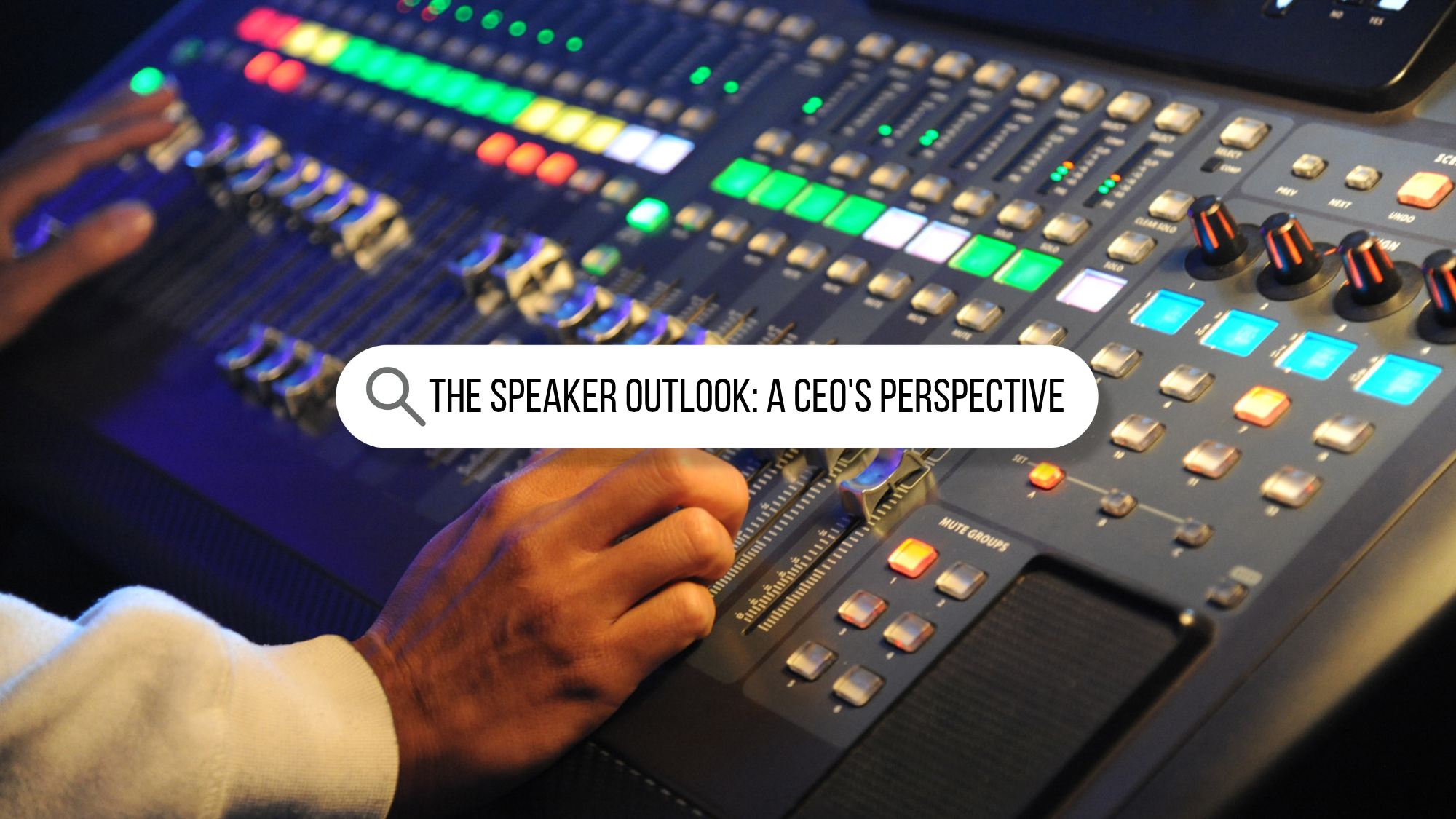
There is a version of this that plays out more often than anyone talks about publicly. A speaker books a significant engagement, brings the habits that have worked reliably for years, and walks into a production environment built on a completely different set of rules. Nobody told them, or somebody told them, and the habits ran anyway. The result is friction with a production team that has been building their show for weeks, and a first impression the speaker did not intend to make.
When I posted about the difference between plug-and-play shows and professionally produced events, I was not expecting the depth of response it generated. Planners, AV professionals, and speakers with decades of experience all weighed in, and what emerged was less a conversation about technical logistics and more a conversation about what operating at a higher level actually requires. About what it means to work in an environment where the production team is not support staff. They are collaborators, and they have been doing their part of the work long before you arrived.
The Habit That Follows You Up the Fee Ladder
Most speakers build their craft in environments where flexibility is the norm. You bring your deck, make changes in the green room, advance your own slides, and deliver. That system works for the majority of engagements and builds a kind of confidence that is genuinely useful, and it also builds a default mode that does not transfer to produced events without some deliberate adjustment.
At a professionally produced event, the AV team is building a show, with slides integrated into lighting cues, video playback, and sometimes broadcast production. The technical rehearsal that locks all of that in happened two weeks before you arrived. A last-minute change that takes thirty seconds at a plug-and-play show can require rebuilding elements of a production that multiple people have spent days coordinating. An event planner in the LinkedIn thread described it this way: what seems minor to the speaker can affect graphics, lighting, video playback, rehearsals, and the overall run of show. The team does not experience it as a small ask.
What the Shift Actually Requires
Operating at this level is not primarily a technical skill. It is an orientation. The speakers who thrive in produced environments understand that their preparation does not begin when they walk into the venue. It begins in the pre-event conversations, when they ask the questions that tell them exactly what kind of show they are walking into and what is expected of them before they arrive.
Those questions cover the AV team structure, whether the show is produced or plug-and-play, materials deadlines and formats, technical rehearsal logistics, and slide advancement. They take two minutes to ask. What they signal to the event team takes much longer to build: that this speaker understands the environment, respects the work that went into building the show, and arrives prepared to collaborate rather than to be accommodated.
One speaker in the thread described making it a personal standard to walk through her slides with the AV team before every show, noting anything beyond traditional presentation elements, and treating that conversation as a core part of her preparation. The AV team, she said, often comments on how prepared she is. That reputation travels.
The Pre-Event Conversation Is Part of the Work
The higher-fee market does not just pay more. It expects more, and specifically more of the preparation that happens before anyone in the audience sees you. The speakers who understand that build reputations with event professionals that generate referrals and repeat bookings in ways that no marketing effort replicates.
What you do on stage matters. What you do in the three weeks before you get there matters too, and the professionals who run those events are paying attention to both.
NSA exists to have these conversations, the ones about what operating at a higher level requires day to day. If you want to be part of that community, you can start at spkr.bz/500.