
The 3R Method for Becoming a Better Speaker and Building a Better Business
What if the most valuable part of your presentation happens after the applause?
As professional speakers, we invest enormous energy in preparing our content, refining our stories, understanding our audiences, and delivering memorable experiences.
We want to inspire. We want to educate. We want people to leave thinking differently, feeling energized, and ready to take action.
But here’s a question worth asking:
What happens to our message after everyone leaves the room?
Too often, the presentation ends, the applause fades, and we move on to the next engagement. Yet the questions, ideas, relationships, and opportunities created during that experience may be just beginning.
I’ve spent years working with professional communities, bringing people together to exchange ideas, share expertise, and learn from one another. One lesson continues to stand out: meaningful learning doesn’t end when the presentation does.
The same principle applies to building a successful speaking business.
I encourage speakers to consider a simple approach I call the 3Rs: Revisit, Repurpose, and Reinforce.
1. Revisit the Audience: Listen Before You Create More
Before developing another presentation, blog post, or workshop, revisit the audience you just served.
What questions did they ask? What stories resonated? When did they lean forward, laugh, nod in agreement, or become especially engaged?
More importantly, what challenges are they still facing?
Sometimes the greatest opportunity to expand our impact comes not from what we said, but from what our audience still needs to hear.
Consider reconnecting with the event organizer to ask:
- What feedback did you receive from attendees?
- What topics generated the greatest interest?
- What questions or challenges remain?
- What would help participants put these ideas into practice?
This feedback is invaluable. It helps us become better speakers because it shifts our attention from what we want to say to what our audiences genuinely need.
Better speaking begins with better listening.
2. Repurpose the Message: One Presentation, Many Opportunities
Think about the time, research, experience, and expertise that go into preparing a 45- or 60-minute keynote.
Why should that investment create value only once?
One presentation may contain multiple opportunities to extend learning and strengthen your professional visibility.
A compelling story can become a LinkedIn post. A practical exercise can become a downloadable resource. A frequently asked question can inspire a short video. A particularly meaningful audience discussion can become the foundation for a follow-up webinar or workshop.
Here’s a practical exercise.
After your next presentation, identify:
Three insights: What were the most meaningful takeaways?
Two conversations: What questions or discussions deserve further exploration?
One next step: What resource or follow-up experience could help attendees apply what they learned?
You now have six possibilities for extending the life of your message.
But here’s the important distinction: repurposing isn’t simply recycling.
It’s thoughtfully adapting content for a different purpose, audience, or learning experience.
A keynote inspires. A workshop develops skills. An article invites reflection. A conversation creates connection.
Each format serves a different need, while drawing from the same body of expertise.
And yes, AI can help us organize ideas, identify themes, and explore formats. But our experience, judgment, authenticity, and understanding of the audience must remain at the center.
Repurpose the value, not simply the words.
3. Reinforce the Relationship: Turn a Moment Into Momentum
Perhaps the greatest missed opportunity in professional speaking is assuming our relationship with an audience or event organizer ends when the program concludes.
What if we thought differently?
A thoughtful follow-up message, a useful resource, a brief accountability check-in, or a subsequent learning conversation can reinforce the value of the initial experience.
It also gives event organizers an opportunity to see us as partners in their success, rather than simply presenters on their program.
Consider offering a 30-minute follow-up conversation several weeks after your keynote.
Invite attendees to share what they have tried, what worked, what challenges they encountered, and what they might do differently.
Sometimes the greatest business-building strategy is simply delivering more value than expected.
Relationships grow when people recognize that your commitment extends beyond the microphone.
Put the 3Rs Into Practice.
After your next engagement, challenge yourself to do three things within the following week:
- Revisit: Ask the event organizer what resonated and what the audience still needs.
- Repurpose: Create one useful resource or piece of content that extends your message.
- Reinforce: Identify one meaningful way to continue the relationship or support attendees’ progress.
Keep track of what happens. Notice which follow-up activities generate engagement, valuable conversations, referrals, or additional opportunities.
Over time, you’ll discover what works best for your audiences and your business.
The Real Opportunity
We often measure the success of a presentation by audience evaluations, applause, engagement, or the next booking.
Those things matter.
But I believe we should also ask: What did people do differently because we were there?
Did they begin a new conversation? Change a behavior? Apply an idea? Share what they learned? Take a meaningful step forward?
And did we learn something from the experience that will make our next presentation even stronger?
That’s where becoming a better speaker and building a better business come together.
The best speakers don’t simply deliver a message. They create value that continues long after they leave the stage.
So the next time you finish a keynote, don’t just ask, “How did I do?”
Ask, “What can we do with this experience next?”
Because sometimes the most important part of your presentation begins after the applause.
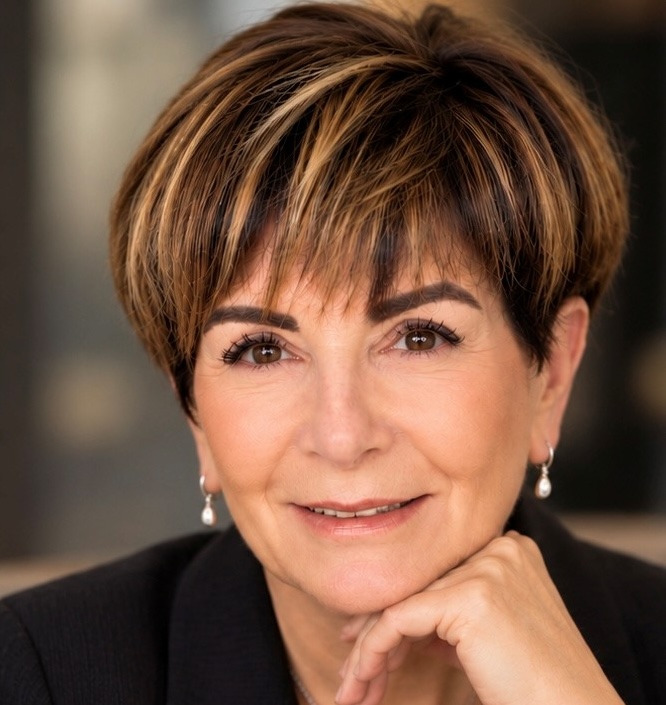 Sharon M. Weinstein, MS, RN, CRNI-R, CSP, CVP, FACW, FAAN, is an internationally recognized TEDx speaker, author, educator, and leadership strategist whose work spans healthcare, workforce well-being, human performance, and organizational transformation. With decades of experience across six continents, she brings a unique perspective to helping leaders think differently, strengthen relationships, and create lasting impact. Sharon is the 2026 recipient of NSA’s Dr. John B. Molidor Leadership Award. She is a past president of NSA’s Washington, DC Chapter, former Chair of the Certified Speaking Professional (CSP) Certification Committee, and former CSP committee member. Her commitment to mentoring, professional excellence, and advancing the speaking profession reflects her belief in leading with insight and serving with heart.